

PEPTAZOL 30 MG 28 CAPSULES

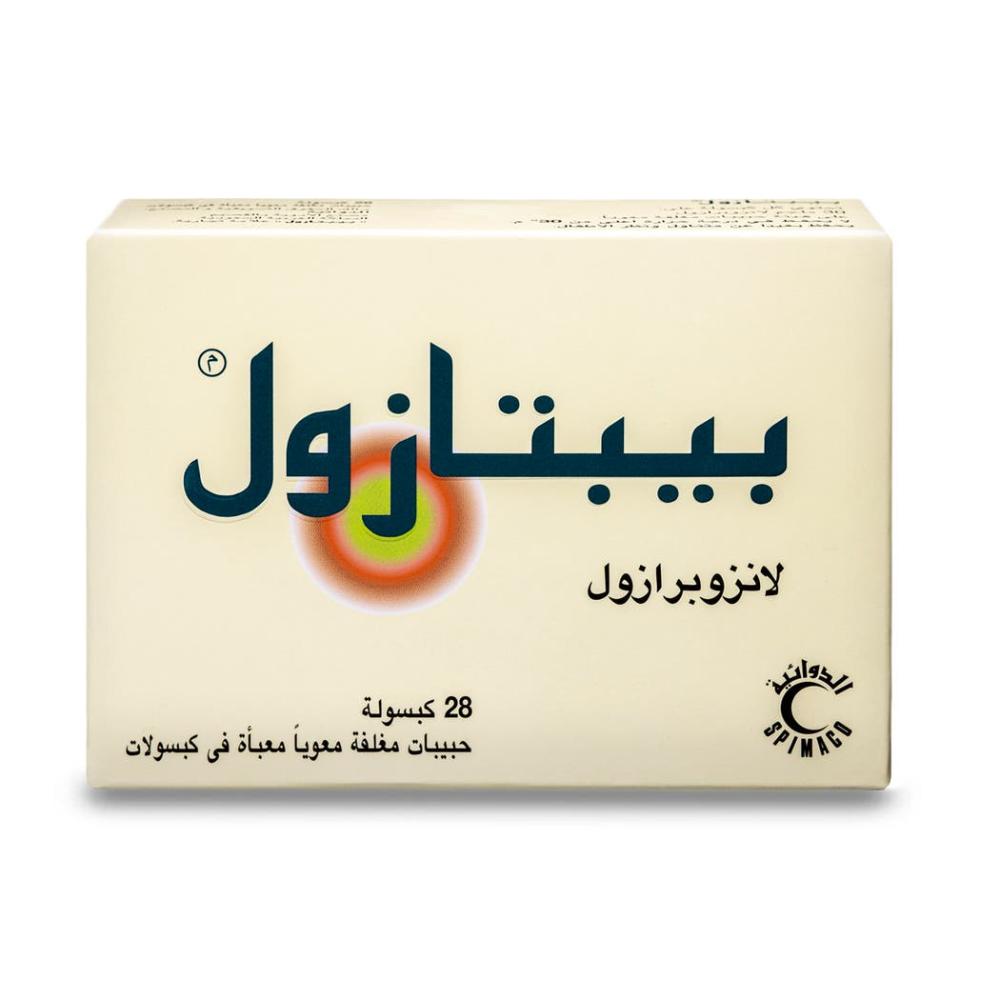
Lansoprazole 30 mg capsules
What is lansoprazole and what is it used for?
Lansoprazole is used for multiple indications in adults:
• Duodenal ulcer (an ulcer that forms at the beginning of the small intestine)
• Eradication of H. pylori (bacteria that can live in your intestines and cause ulcers) to prevent recurrence of duodenal ulcers
• Benign stomach ulcer (a non-cancerous ulcer that forms in your stomach)
• NSAID-associated ulcer (ulcer that forms in your intestines due to excessive use of NSAIDs)
• Gastroesophageal reflux (also known as acid reflux or "heartburn")
In addition, it can be used in children for the following indications:
• Gastroesophageal reflux disease
• Erosive esophagitis (acid esophagitis)
• Pathological hypersecretion conditions (intestinal problems leading to increased acid secretion)
Do not take lansoprazole:
If you are allergic to lansoprazole or any of the other ingredients in this medicine, tell your doctor about any symptoms you experience.
Precautions and warnings:
• Talk to your doctor or pharmacist if you experience an allergic reaction such as shortness of breath, skin rash, swelling of the face or neck.
• The use of this medication may be associated with Clostridium difficile diarrhea (a bacterial infection of the stomach that causes diarrhea). Be sure to tell your doctor if you experience diarrhea.
• Prolonged and repeated daily use of this medicine may lead to osteoporosis (weakening of the bones that causes fractures) and put you at risk of fractures in the hip, spine, or wrist.
Long-term use of this medication may lead to low blood magnesium levels. Your doctor may recommend regular laboratory monitoring of your magnesium levels.
Possible side effects:
These include allergies, diarrhea, nausea, headache, constipation, stomach pain, low magnesium levels, seizures (convulsions), dizziness, abnormal or rapid heartbeat, nervousness, tremors, muscle weakness, cramps in the feet and hands, muscle pain, and throat spasms.
Other medications and lansoprazole
Tell your doctor or pharmacist if you are taking, have recently taken, or might take any medications.
• If you are taking atazanavir (used to treat HIV).
• If you are taking warfarin (a blood thinner).
• If you are taking tacrolimus (an immunosuppressant drug).
• If you are taking theophylline (used to treat airway spasms).
• If you are taking methotrexate (an immunosuppressant drug).
How to take lansoprazole:
Adults and children:
The recommended dose and duration of treatment are individualized based on age and indication. The usual dose is 15 to 30 mg once daily. The dose is increased to two or three times daily if used for H. pylori eradication.
• Take the tablets or capsules before food.
Swallow the delayed-release capsules whole.
• Do not chew or crush delayed-release tablets or capsules.
• If you are unable to swallow a whole capsule, open the capsule and swallow the contents with a small amount of food or juice.
• The soluble tablet form of this medicine dissolves quickly in your mouth with or without water.
• Do not break soluble tablets.
How to store lansoprazole:
• Store the medicine at a temperature between 20 and 25 degrees Celsius
• Keep medicine out of reach of children and pets
• Do not use the medicine after the expiry date stated on the carton.
• Store the medicine in its original container to protect it from moisture.
• Do not take damaged pills
Do not dispose of the medicine in wastewater or household waste.